
Enriched air Nitrox: Fact vs Fiction
Enriched air Nitrox: Fact vs Fiction
Fact, fiction, and why every diver should be an Enriched Air diver Nitrox tends to get a strange reputation in recreational diving, and much of it comes from half understood conversations on boats and in dive centres. Even experienced divers sometimes see it as technical, risky, or something that lets you dive deeper. None of that really reflects how Nitrox is actually used in everyday recreational diving.
So let’s clear things up and talk about what Nitrox really does, what it does not do, and why so many divers end up asking why they did not get certified earlier.


What Nitrox actually is
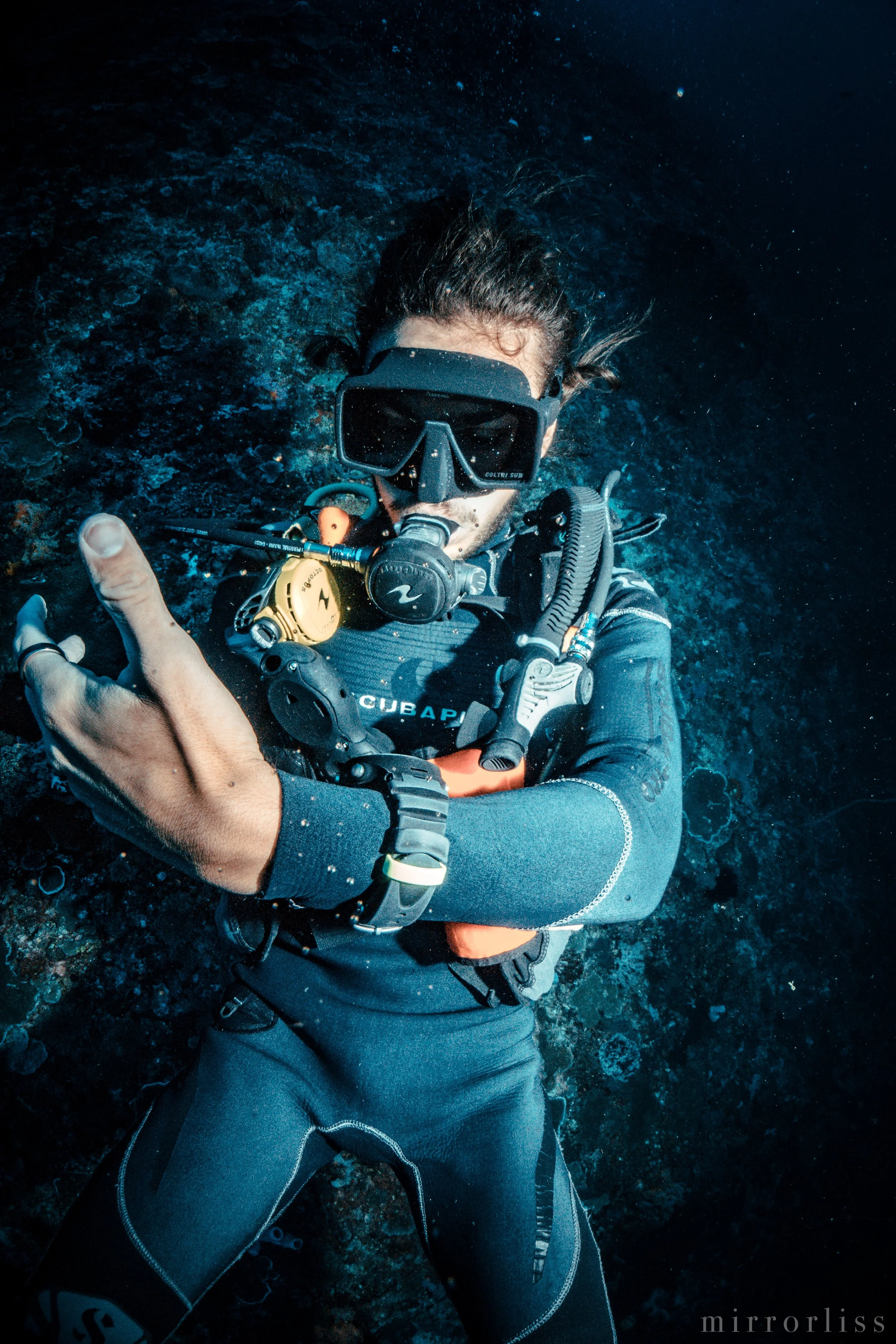
Nitrox, also called Enriched Air, is simply air with a higher percentage of oxygen than regular air. Standard air contains 21% oxygen, while Nitrox used by recreational divers will contain between 22% and 40%. That extra oxygen means less nitrogen, and that single change explains almost every benefit Nitrox offers. It is not a different type of diving, and it does not require complicated equipment. In practice, it comes down to analysing your tank, setting your dive computer correctly, and planning your depth accordingly.
Fiction #1 it lets you dive deeper
This is one of the most common misunderstandings, and it is also the easiest to clear up. Nitrox does not increase your maximum depth. It actually reduces it. Because Nitrox contains more oxygen, it comes with stricter depth limits based on oxygen exposure. That is why maximum operating depth becomes such an important part of every Nitrox dive. Nitrox does not change physics or pressure, it simply reduces nitrogen loading. In practical terms, you stay shallower, absorb less nitrogen, and build more margin into every dive. For most divers, that is a sensible trade.
Fact #1 Many divers feel better after diving
This is something we hear regularly, especially from divers doing multiple days of diving. People often talk about feeling less tired at the end of the day, having more energy for later dives, and recovering more easily across a full week of diving. On dive sites where currents and physical effort are part of the dive, that difference becomes noticeable very quickly, especially when you are doing repetitive dives. Many divers feel less fatigue at the end of a long day on Nitrox compared to diving air. Your body continues working after you finish diving to eliminate the nitrogen you have absorbed, so less nitrogen means less work for your body during recovery.
Fiction #2 It is only useful on deep dives
This idea usually comes from thinking Nitrox is about extending no decompression limits, which sounds like a tool for deeper diving. In reality, Nitrox is far more useful on the kind of dives most people do every day.
Repetitive dives over several days, back to back training days, or liveaboard trips where three or more dives a day are typical are exactly where Nitrox shows its value. That profile describes the majority of recreational diving.
Fact #2 It encourages better decision making
One of the less obvious benefits of Nitrox is how it changes the way divers think. Because depth limits matter more, divers tend to pay closer attention to their profiles, plan more carefully, and manage gas with greater intention. Those habits do not stay with Nitrox dives alone. They carry over into air diving, new environments, and higher level training, which is why Nitrox fits so naturally into a diver’s long term progression.
Fiction #3 It is more dangerous
Nitrox only becomes a problem when basic procedures are ignored, and the same could be said for any type of diving. When used properly, Nitrox is no more dangerous than air. You analyse your tank, confirm the mix, set your dive computer correctly, and respect your maximum operating depth. Follow those steps and Nitrox becomes a very controlled and predictable tool, often adding safety rather than reducing it.
Fact #3 It fits naturally into continuing education
Nitrox works alongside almost every step of further training, from Advanced Open Water through Rescue Diver, during other Specialty Training and into professional level courses. It supports cleaner profiles on long training days, reduces nitrogen loading across repetitive dives, and allows longer dives due to extended no decompression limits when conditions and planning allow. It is very common to hear the same comment after certification. Most divers wish they had done it sooner.


Ready to dive Enriched Air Nitrox?
Nitrox is not about pushing limits or chasing longer bottom times. It is about diving with more awareness, more margin, and less unnecessary nitrogen exposure. At Blue Corner, we run the Enriched Air Diver course in one day. You complete the required theory, then focus on the practical skills that matter in real world diving. That includes analysing your gas, clearly marking your tank, and setting your dive computer correctly before every dive. We pair the course with two training dives, so you are not just learning the rules, you are applying them in the water under real conditions. By the end of the day, you know how to plan, prepare, and dive Nitrox with confidence. If Enriched Air sounds like a better way to dive, take a look at our Nitrox courses and see how easy it is to add this skill to your diving.