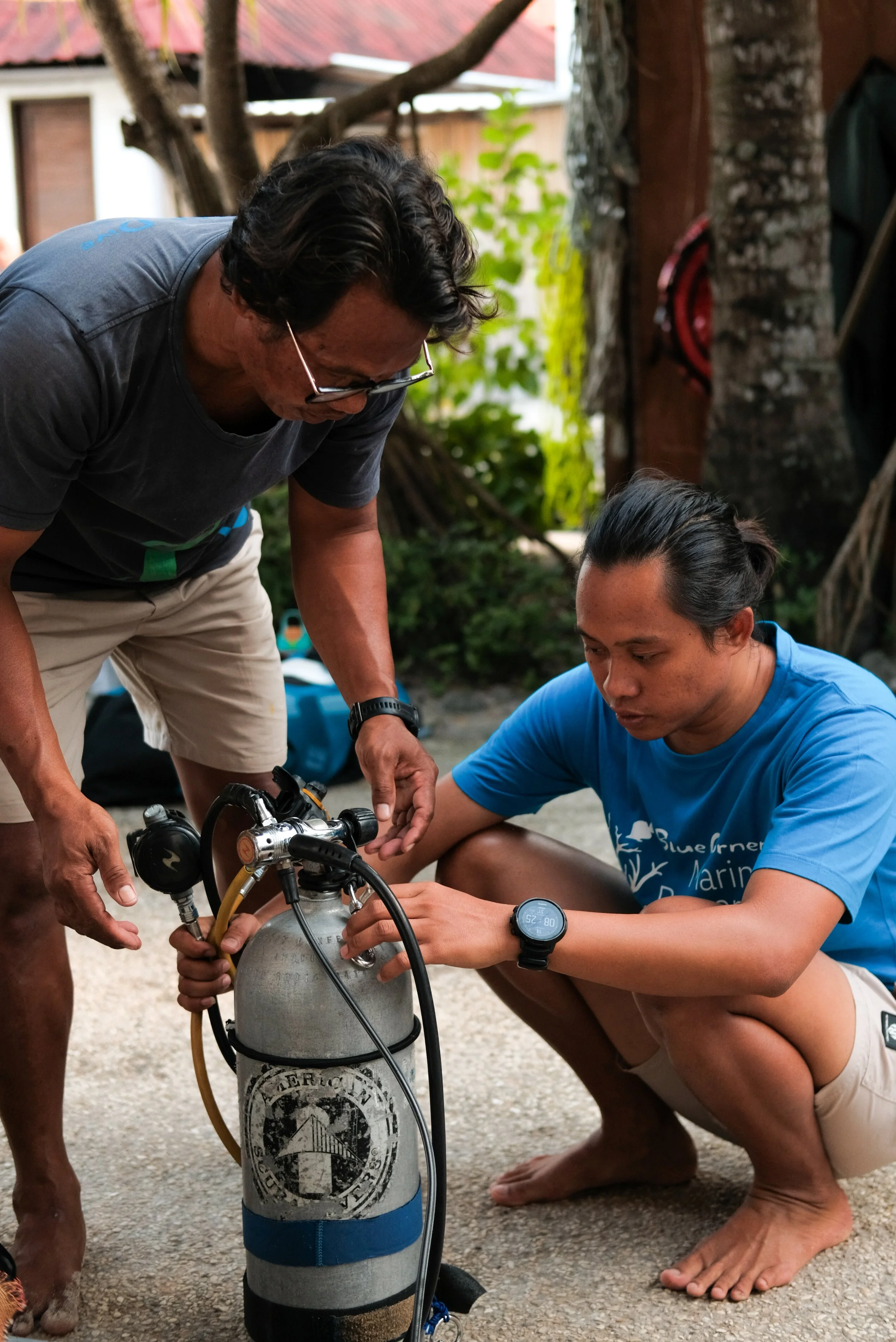
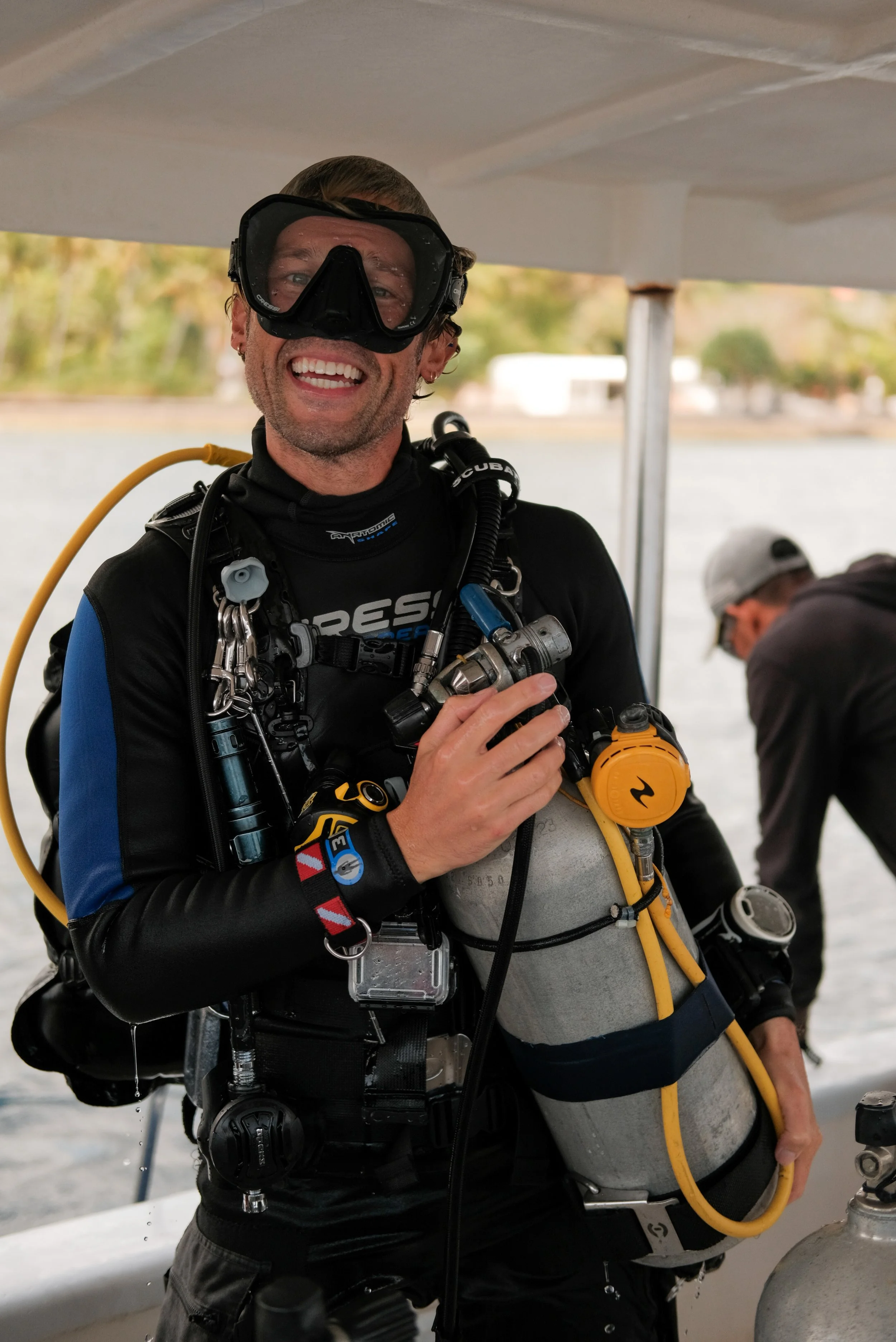
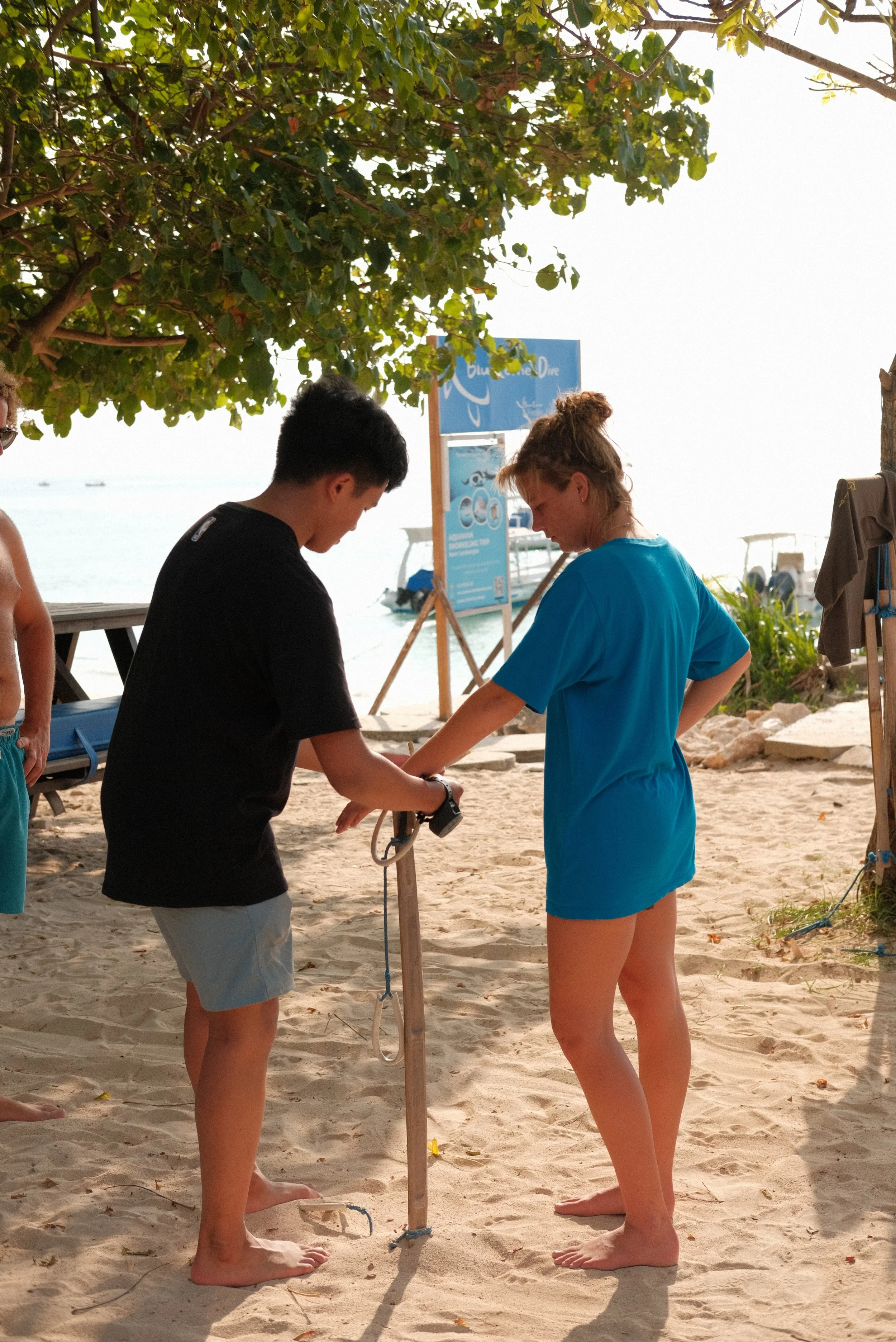
Choosing the Right PADI Specialty Instructor Ratings for Your MSDT Prep
Choosing five specialties sounds straightforward, right? Until you realise those five choices quietly decide how often you teach, what you teach, and how useful you are to a dive centre. This isn’t about collecting instructor ratings for the sake of it. It’s about building a set of specialties that actually get used. Here’s some advice on how to choose wisely.
Start With the Local Market
Yes, this should be obvious… Think about where you want to work. Really think about it. Teaching Drysuit in 30°C water is ambitious. Teaching Drift on a site where the current barely nudges you along is also ambitious. Possible. Technically. But not the most useful. Different destinations value different skills. In warm-water, current-heavy areas, certain courses run constantly. Drift. Boat diving. Enriched Air. They’re baked into daily operations. In colder regions, Drysuit suddenly becomes essential rather than optional. If your goal is to work somewhere like Nusa Lembongan, Drift will almost always be more valuable than Drysuit. No one is queuing up to sweat through surface intervals in thermals and a drysuit.
Before choosing, ask yourself:
● What specialties actually run here
● What courses dive centres need instructors for
● What will get you on the schedule more often
Local relevance matters alongside personal preference - your personal preference will allow you to sell and teaching the type of diving YOU are passionate about.
Zoom Out and Look at the Bigger Market
Even if you’re set on a location, plans change. Some specialties are popular almost everywhere, and that makes them powerful long-term choices. PADI data consistently shows Enriched Air Nitrox as the most requested specialty worldwide. Deep is also high on the list. It’s good to look at the bigger picture and think of the specialties that will stand out on your CV.
High demand means:
● More students asking for the course
● More teaching opportunities
● More value to employers
If you want flexibility in where you work, Enriched Air and Deep are rarely the wrong answer.
Choose What You Actually Enjoy Teaching
You’ll teach what you care about better. Every time. If you’re genuinely into underwater photography, conservation, wrecks, or any other area, that enthusiasm shows. Your briefings are clearer. Your debriefs are better. Your students get more out of the course. Students can tell when an instructor is passionate, and this will also mean they’re more likely to come back for more and recommend you to others! Choose at least one specialty that makes you think, “I’d happily teach this all week”
Your students will feel the difference.
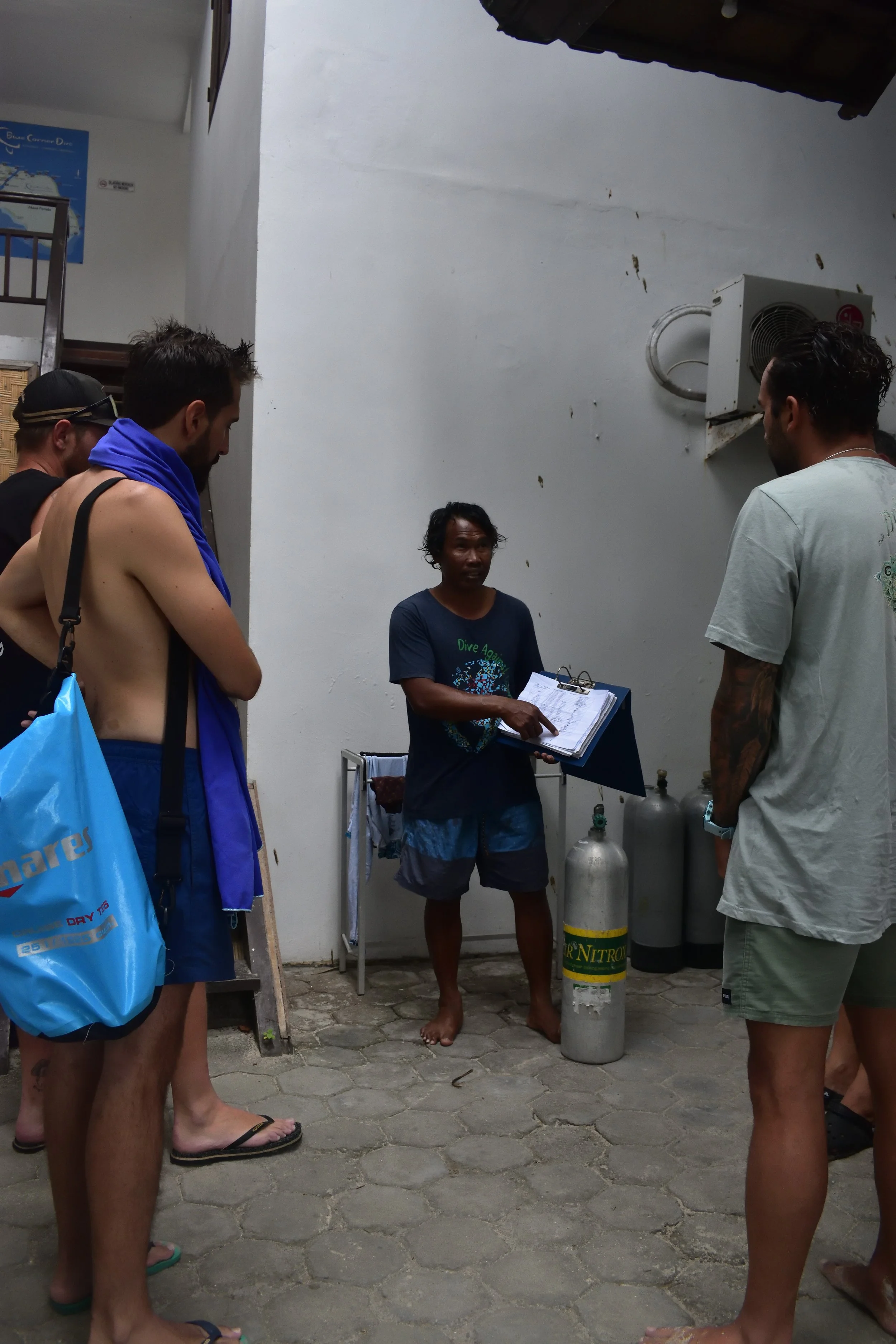
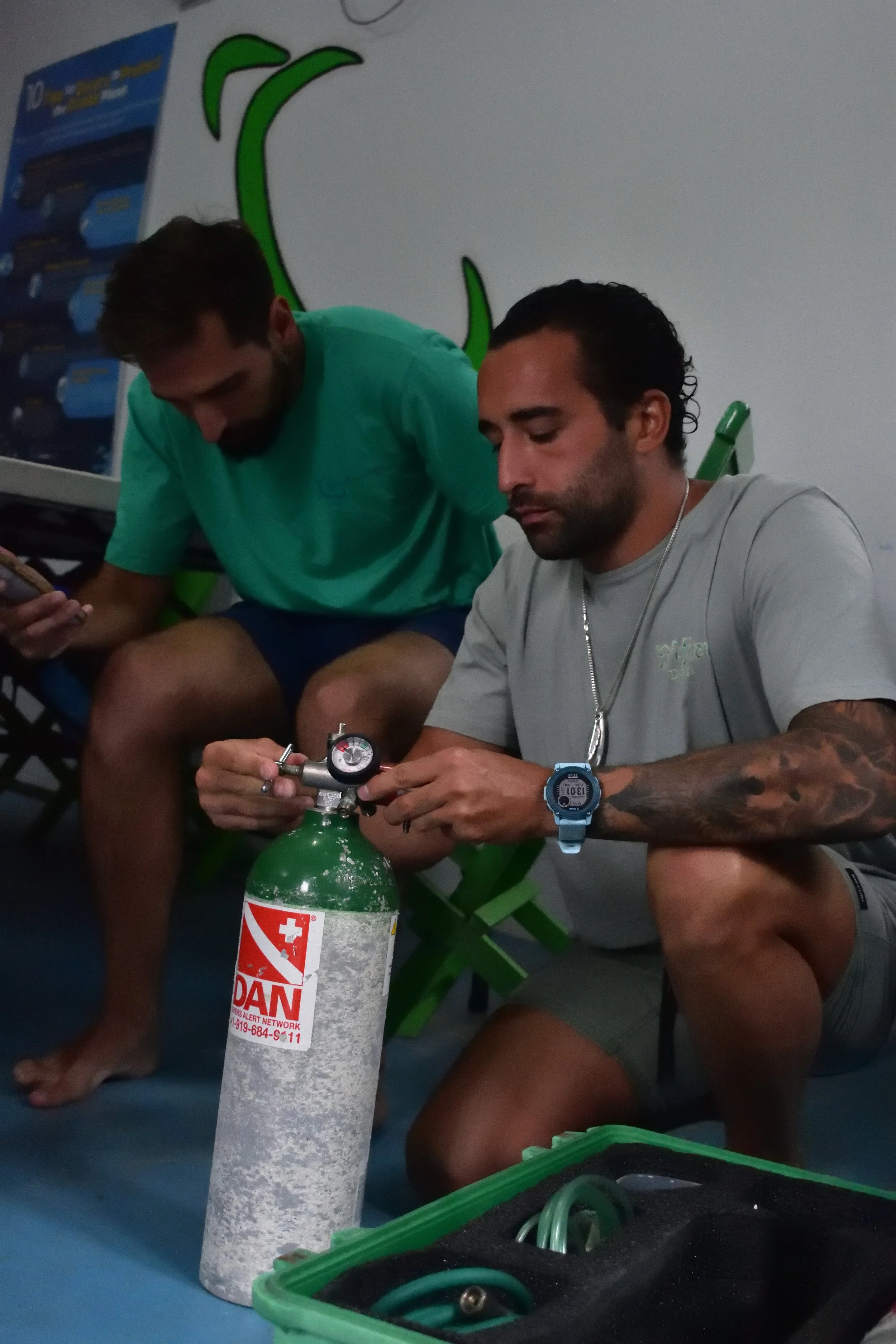
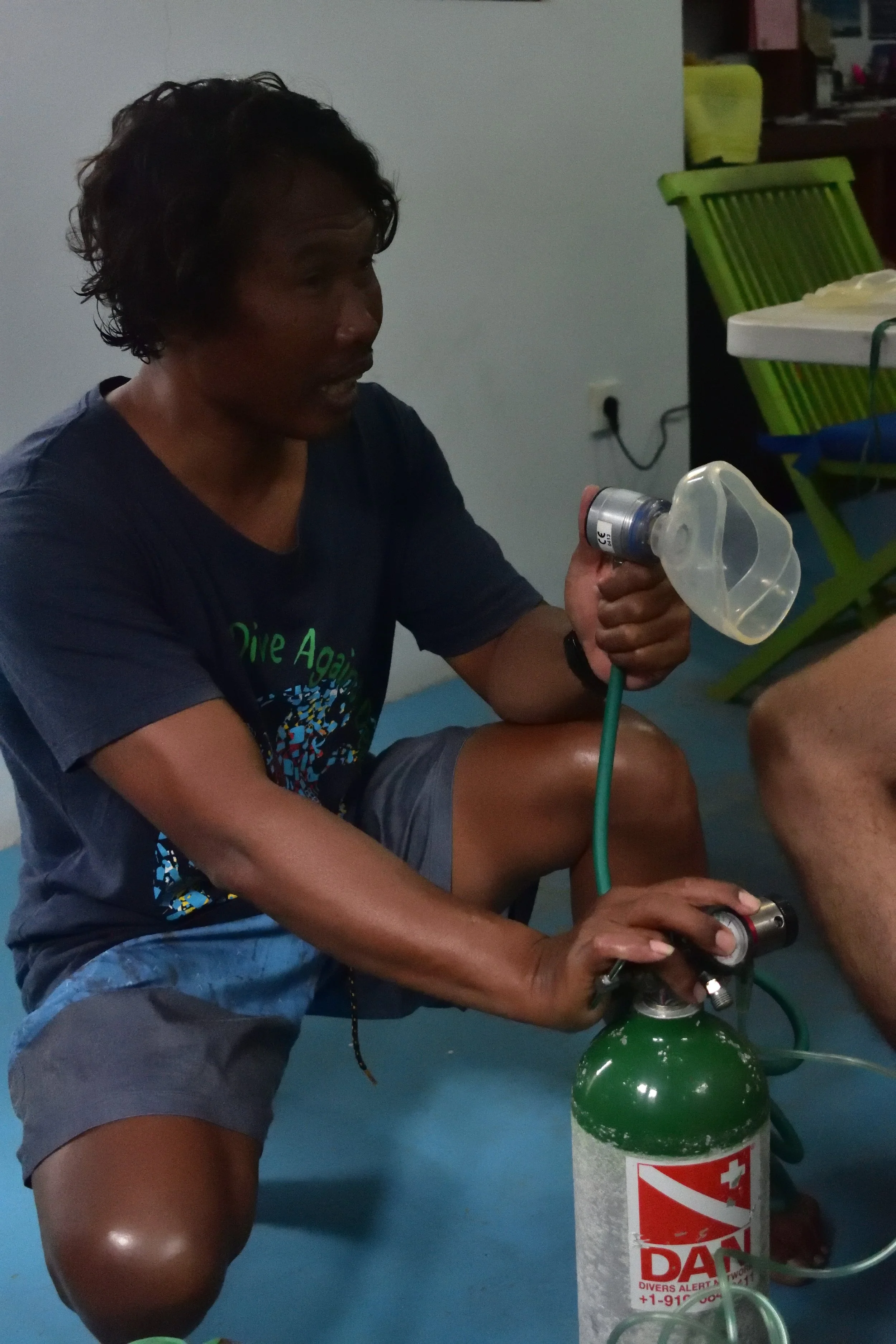
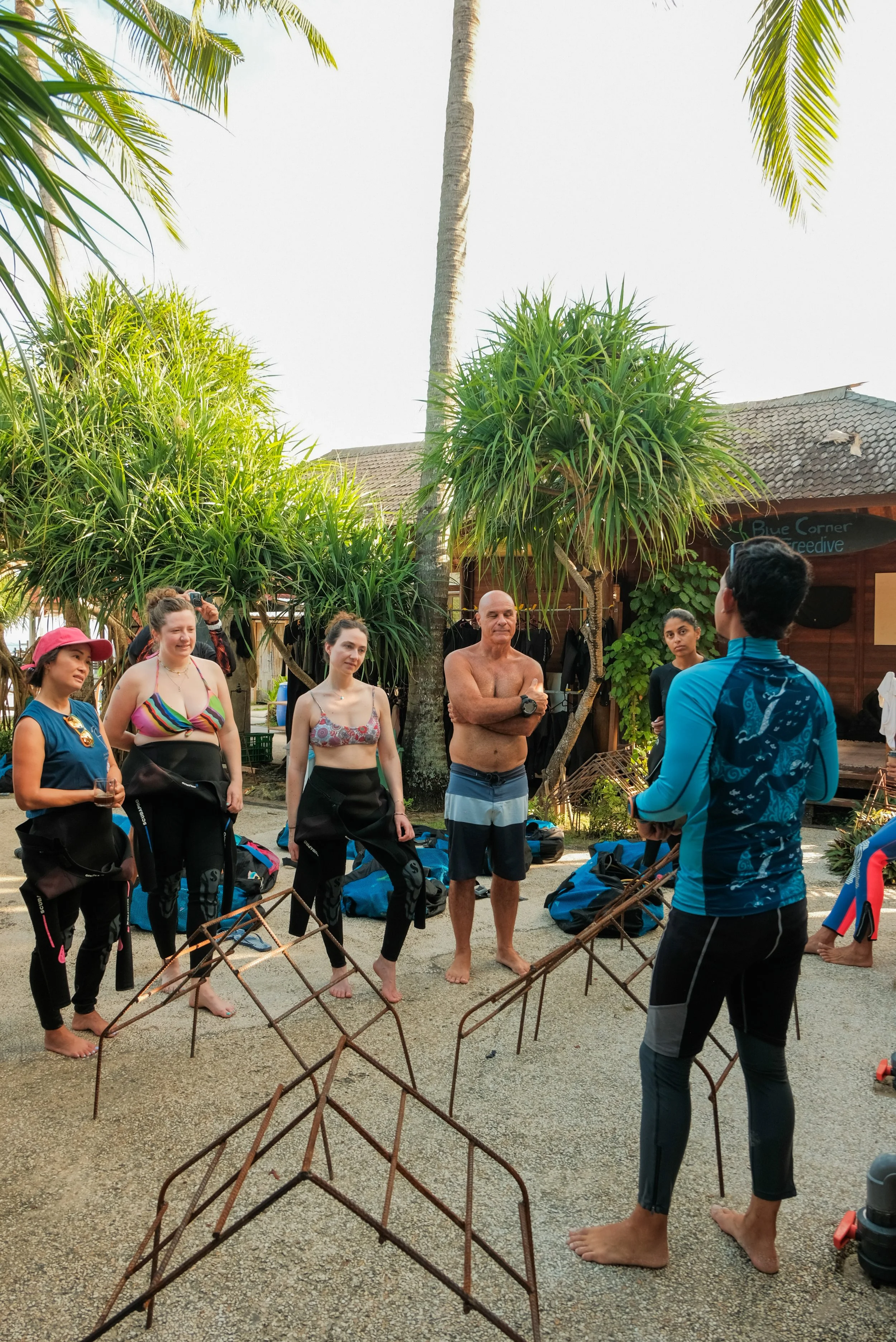
Consider Combos Too!
Specialties don’t exist in isolation. They work best when they connect. Some combinations just make sense to students, which makes them easier to sell and easier to schedule. Classic examples most dive centres recognise:
● Deep and Wreck
● Sidemount and Self-Reliant
● Enriched Air and Deep
● Sidemount and Self-Reliant
Distinctive specialties are where things get more interesting. At Blue Corner, Manta Ray Conservation and Coral Reef Restoration are exclusive PADI distinctive specialties. You won’t find them elsewhere. When paired thoughtfully, they create experiences students genuinely cannot do in another location. Manta Ray Conservation combined with Digital Underwater Photography is a great example. Students learn about the animals, their behaviour, and protection efforts, then develop the skills to photograph and ID them responsibly. No forced upsell. No awkward transition. One course naturally leads into the next. When a student finishes a dive and asks, “what’s next?”, that’s the goal.
A Rating Is Only Useful If You Can Teach It
This one can sting a bit. Before committing to a specialty, be honest about logistics.
● Do you have suitable dive sites
● Is the equipment available
● Does the course actually run where you work
Wreck diver without wrecks isn’t going to sell.l Night Diver where night dives are rare doesn’t exactly scream profitable. A specialty that looks great on paper but never runs won’t help you build experience as an instructor. Remember you can always add more specialty instructor ratings later, when the need actually comes up.
Be Practical About Time and Momentum
Some specialties require less time to complete and easy to teach regularly. Others require more dives, more equipment, and more planning. Neither option is wrong. If you want to start teaching immediately after your IDC, choose specialties that slot naturally into day-to-day operations. You can always add more instructor ratings later. MSDT is a milestone, not the finish line.
Pulling It All Together
This guideline gives you employability, flexibility, and job satisfaction. Choose specialties that make sense underwater, not just on a certification list, and your future self, and your students, will thank you! And by the way, if you ever want a second opinion on specialty choices or how to map out your MSDT, you can reach our Instructor Development team at Blue Corner Dive.
If you’re not an instructor yet, we also run a 23-day program that combines the full PADI IDC with five specialty instructor ratings, so everything lines up from the start.