
Why You Should Visit the Nusa Islands in Low Season
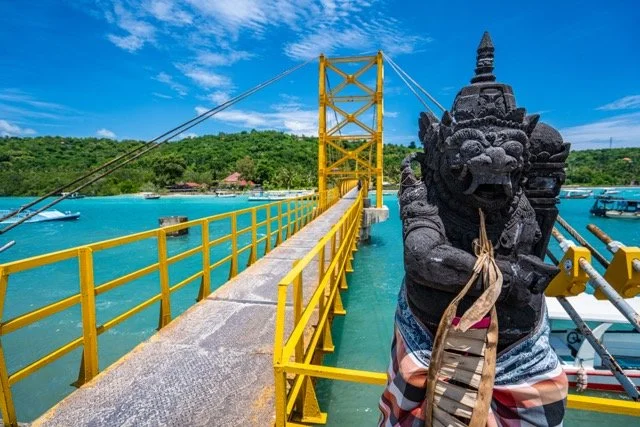
The island most people never see Low season in Lembongan runs roughly from November to April, and it changes the vibe in the best way. Things slow down, the crowds thin out, and the island starts to feel like an actual place again, not just a holiday hotspot. It is quieter, easier, and far more relaxed. Once you experience it, it is hard not to prefer it.
Everything feels calmer
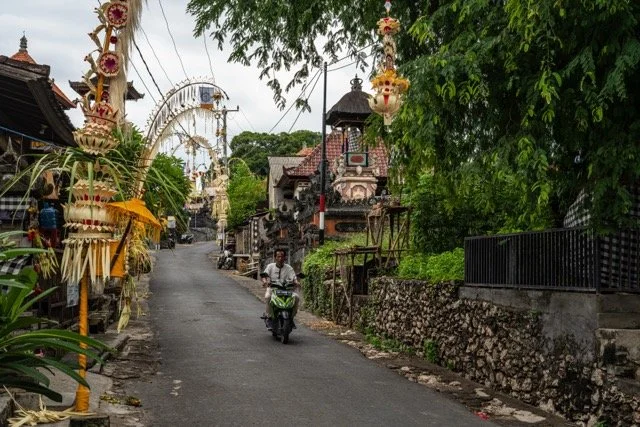
You notice it almost straight away. Beaches have space again, roads are quieter, and getting around stops feeling like as much of a mission. You are not dodging people or planning your day around peak times.
That calm carries through everything you do. You linger longer, rush less, and start enjoying
the island instead of navigating it. It feels local, unforced, and refreshingly simple.
Viewpoints without the chaos
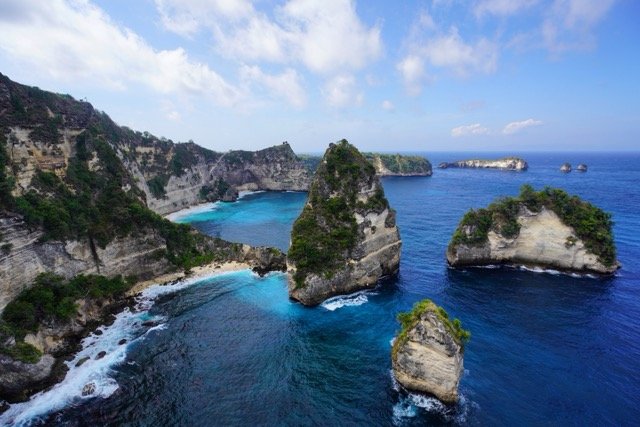
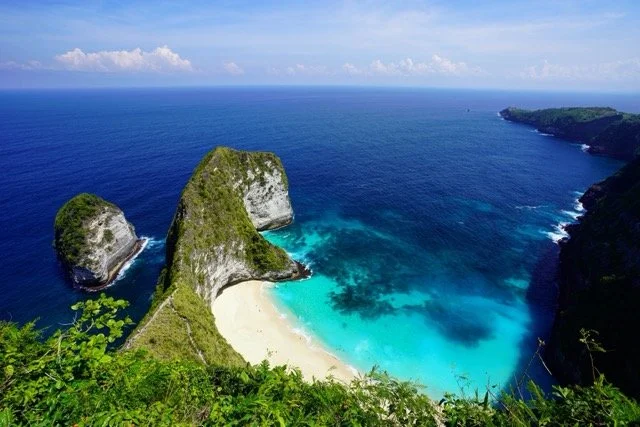
Lembongan and Penida are all about big views, but they hit very differently when you are not sharing them with a crowd. In low season, you can actually stop, look around, and take it all in without someone asking you to move so they can get a photo.
A Penida day trip definitely feels smoother! Fewer cars on the roads, less noise, and more time to appreciate the scenery instead of fighting traffic. It turns into a proper adventure rather than a stressful day out.
Diving just feels better
Low season diving is where most people get their best dives in. With fewer boats on the water, dive sites feel open and unhurried. You spend less time waiting for the right boat to scoop you up after you finish the dive, hear less boats passing by overhead, and there is simply more space to enjoy the dive.
That extra space makes a big difference. Safety stops without bubbles everywhere. Mantas cruising past without half a dozen groups underneath them. Some days, your group quite literally has the ocean all to yourselves!
More choice, less compromise
With fewer visitors around, flexibility improves across the board. Accommodation options open up, preferred rooms are easier to get, and dive boats feel calmer and more comfortable.
There’s more flexibility to accommodate dive site requests, and you have more freedom of knowing that any day you want to dive you can without having to book too far ahead! You dive because it is a good day to dive, not because the boat is full. It takes a lot of pressure off your trip.
About that rainy season thing
Rainy season here is not the constant rain people worry about. It usually comes in short, sharp bursts, then clears just as quickly. A rain jacket and a bit of patience are all you need.
If you are diving, it barely matters anyway. You are already wet, and underwater you would not even know it rained. Visibility stays clear thanks to the currents, and once the rain passes, the island feels fresh again.
The marine life does not go anywhere
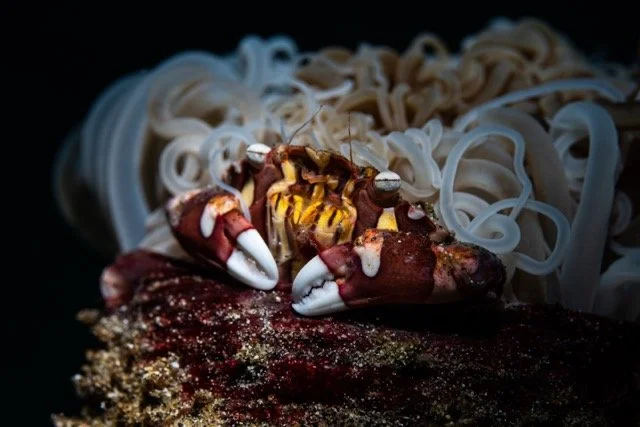
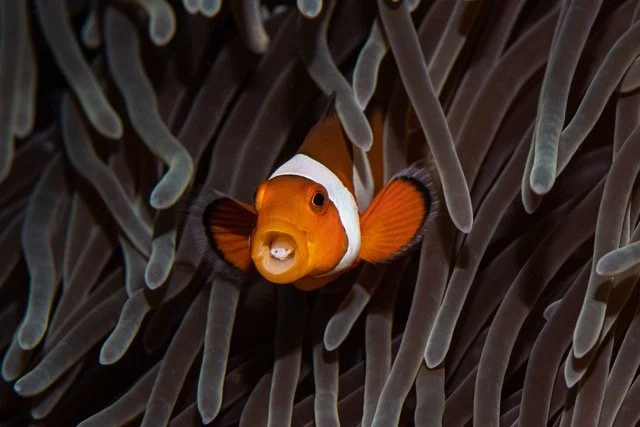
Low season does not mean quiet reefs. Marine life is still abundant, and encounters often feel calmer without constant boat traffic overhead. The biggest change is the atmosphere underwater. Less noise, fewer divers, and more freedom to explore without another group already on the site. It makes every dive feel more personal.


Who low season is great for?
Low season works best for divers who like things relaxed. Unrushed days, smaller groups, and space to build confidence without pressure.
It suits newer divers, returning divers, and professionals in training particularly well. When everything slows down, learning feels easier and the experience sticks.
The time most people miss
Peak season shows Lembongan at full pace. Low season shows it at its most comfortable.
The island doesn’t shut down, and the diving doesn’t stop. Everything just settles into a nicer rhythm.
And once you have seen Lembongan like this, it is hard not to plan your next trip the same way.