
BLUE CORNER blog
Scuba Diving

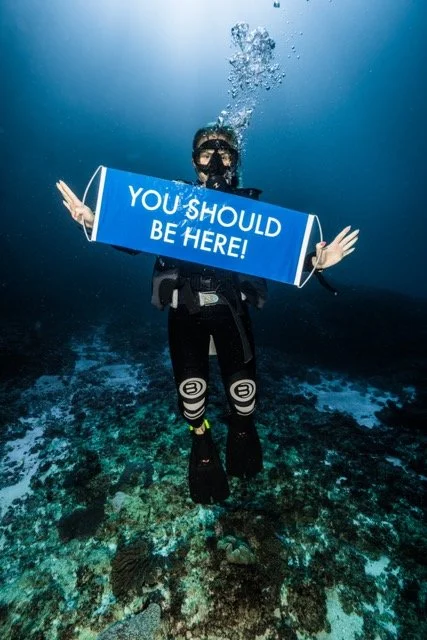
Blue Corner Dive operates three dive centres in Bali. We began with our resort in Nusa Lembongan, where we became a PADI 5 Star Career Development Centre — the highest rating within the PADI system. We are also a recognised conservation centre with reef-restoration projects and courses based on validated science and techniques, led by our experienced in-house marine biologists.
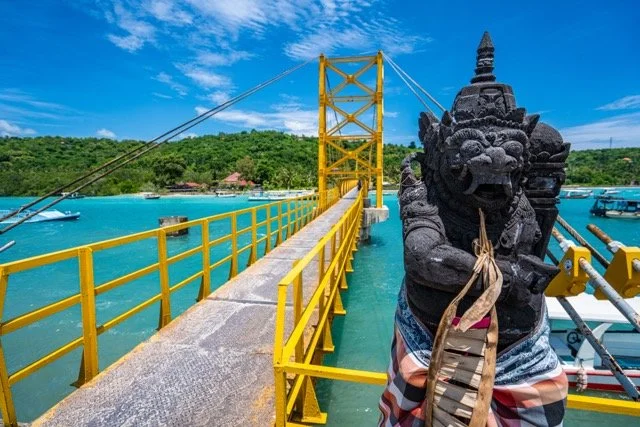
The island most people never see Low season in Lembongan runs roughly from November to April, and it changes the vibe in the best way. Things slow down, the crowds thin out, and the island starts to feel like an actual place again, not just a holiday hotspot. It is quieter, easier, and far more relaxed. Once you experience it, it is hard not to prefer it.
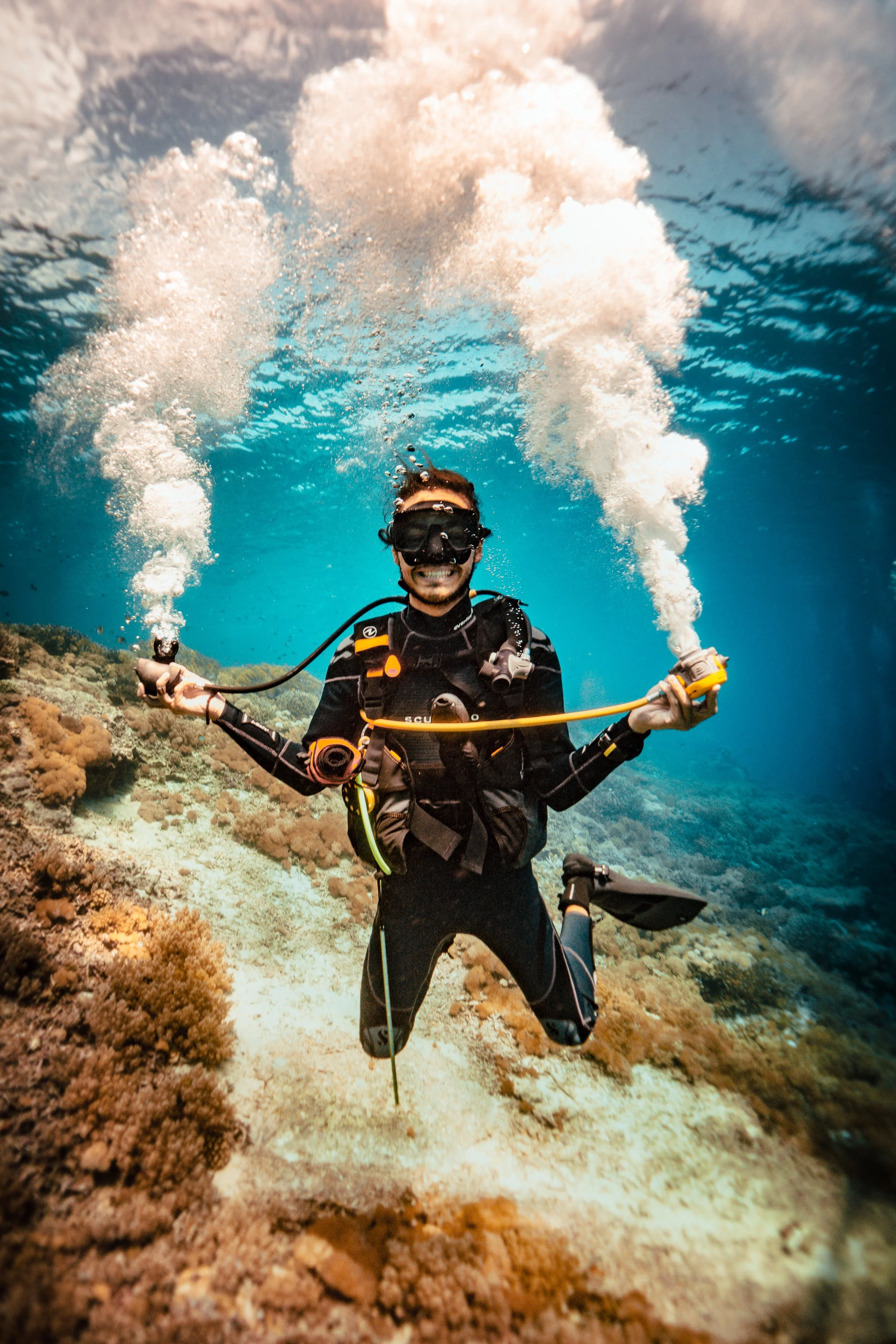
If current makes your breathing spike, you are not alone. It happens to a lot of beginner and intermediate divers, even when everything feels fine at the start of the dive.
One minute you are cruising. Then the water starts moving, your breathing speeds up, and your air seems to disappear faster than expected.
This is not about fitness. It is about breathing habits, and those are much easier to change than most people think.
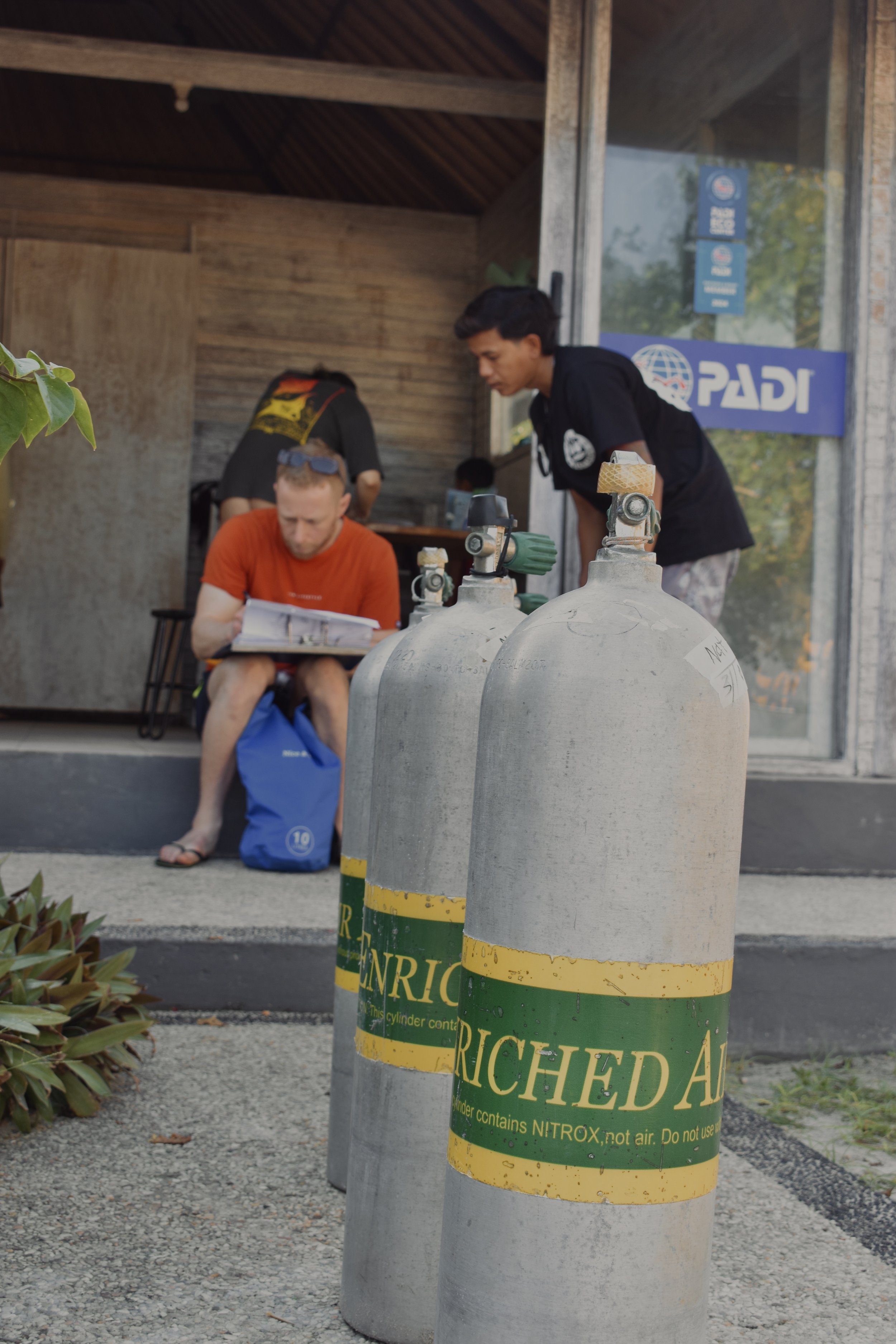
Fact, fiction, and why every diver should be an Enriched Air diver Nitrox tends to get a strange reputation in recreational diving, and much of it comes from half understood conversations on boats and in dive centres. Even experienced divers sometimes see it as technical, risky, or something that lets you dive deeper. None of that really reflects how Nitrox is actually used in everyday recreational diving.
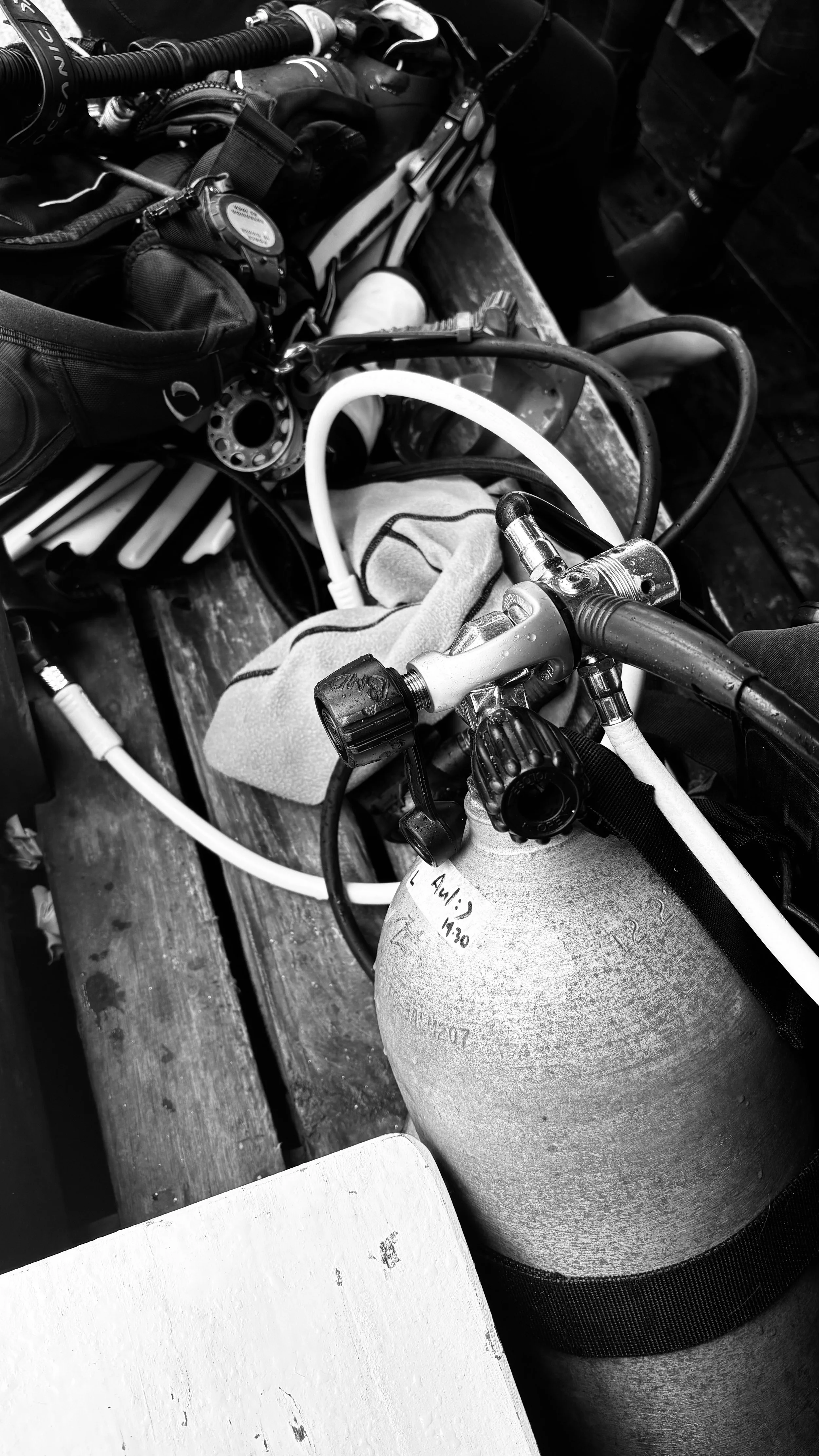
The PADI Advanced Open Water course is where you build real diving confidence. You refine your buoyancy, expand your limits, and learn to dive with control in a range of conditions. If you want training that prepares you for diving anywhere in the world, Nusa Lembongan is the place.

Even in the dry season, tropical weather can surprise you. One minute it’s blazing sunshine, the next it’s a full downpour. It’s part of island life! And honestly, it’s not such a bad thing. The rain cools things down, keeps the island lush, and gives you a good reason to slow the pace. But it helps to be prepared. Whether you’re here for diving, relaxing, or just exploring, it’s smart to have a few rainy day options up your sleeve.
Here’s how to make the most of rainy days in Nusa Lembongan.
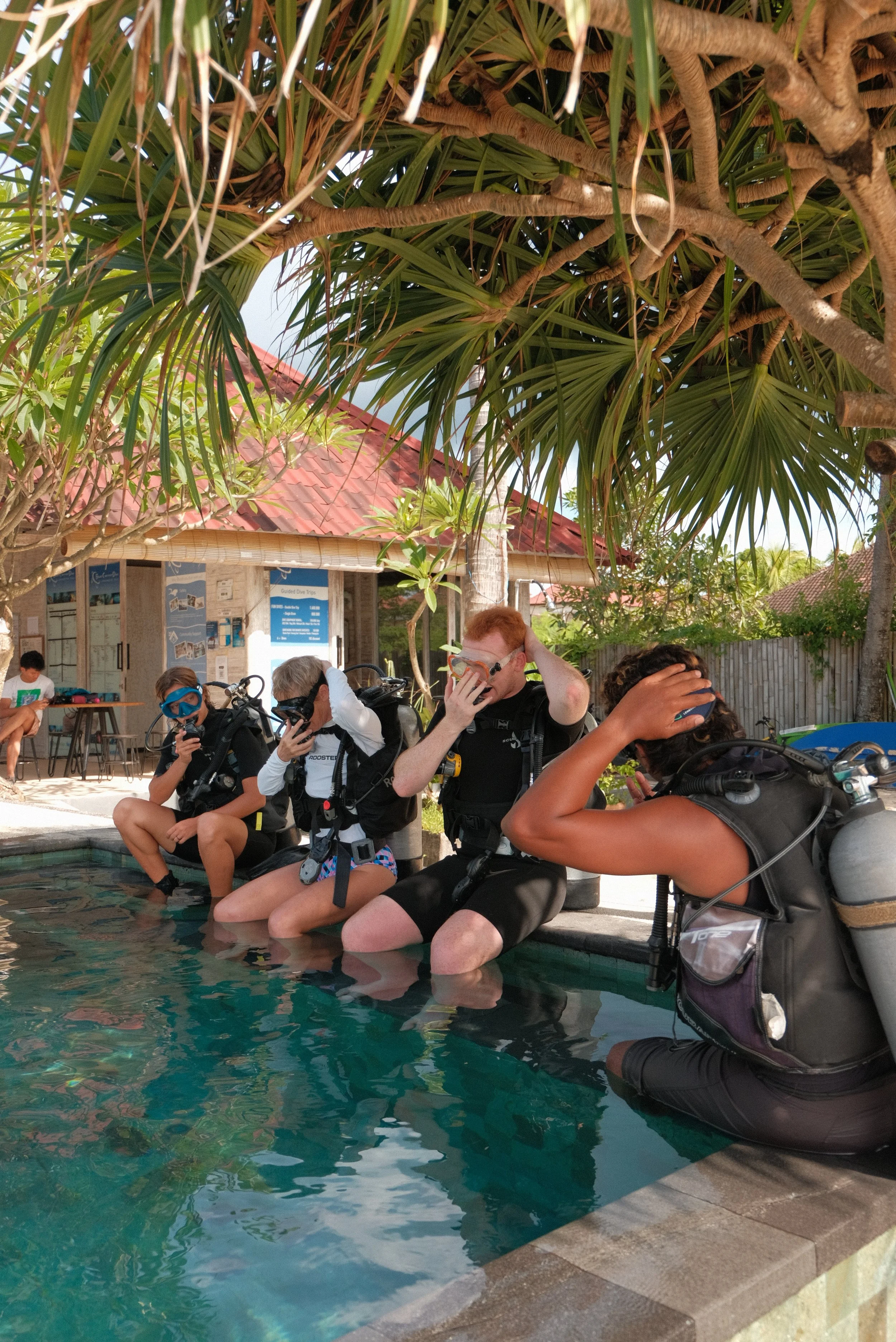
Getting back in the water after some time away is exciting. But if it’s been six months or more since your last dive, we recommend a refresher. Even experienced divers can feel a little rusty after a break, and a quick session upfront makes your first dive back smooth, safe, and way more enjoyable.
The best part? A refresher is short, inexpensive, and packed with value. Spending a little time on it means you can dive straight into the fun, without worrying about the basics.
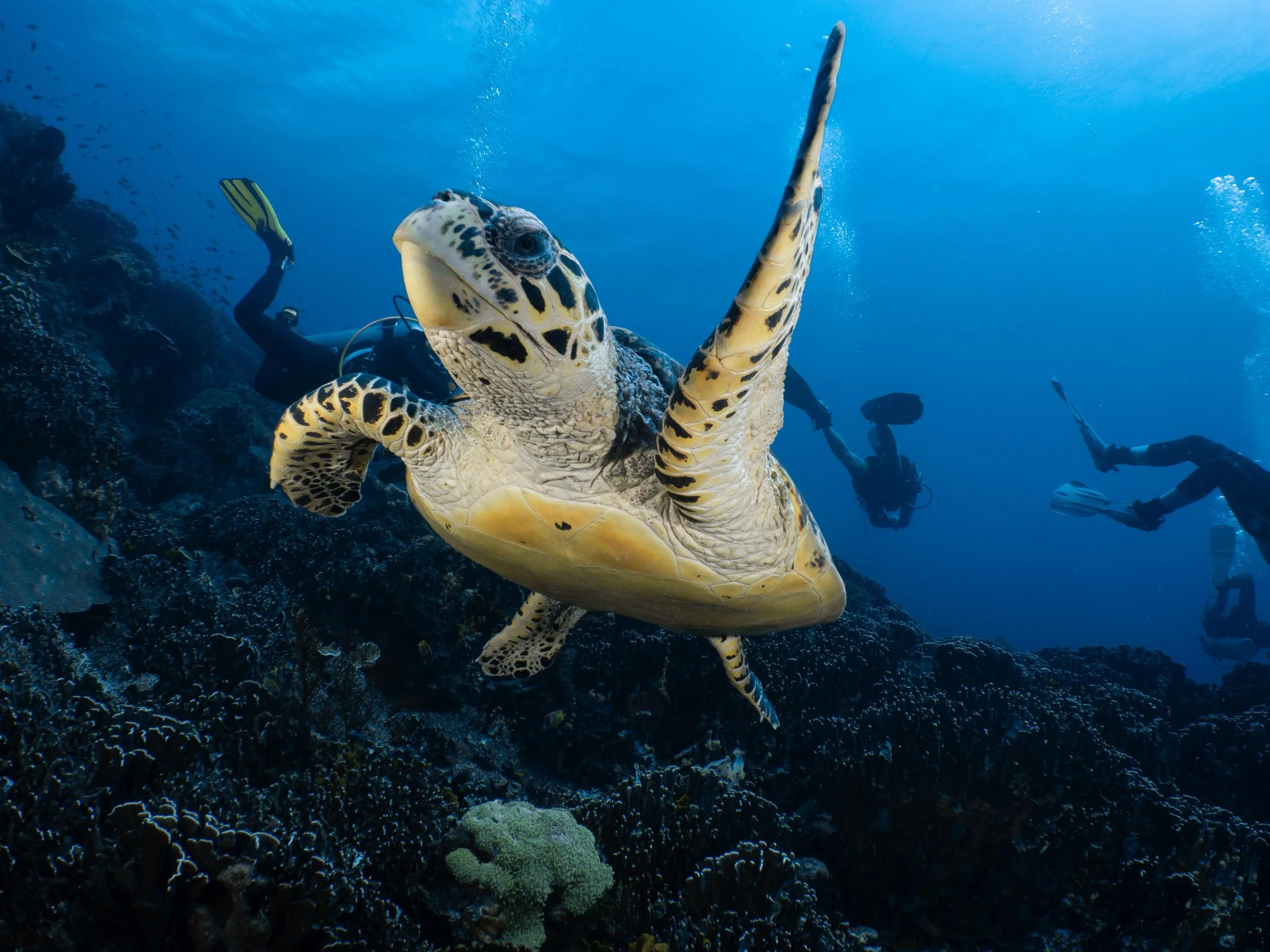
One of the best things about diving is how close it brings you to marine life. You’re not just watching nature from a distance, you’re in it. Floating over coral, cruising in the current beside turtles, or finning through schools of fish feels magical. But with that privilege comes responsibility. Coral reefs and marine ecosystems are fragile, and divers play a big role in protecting them.
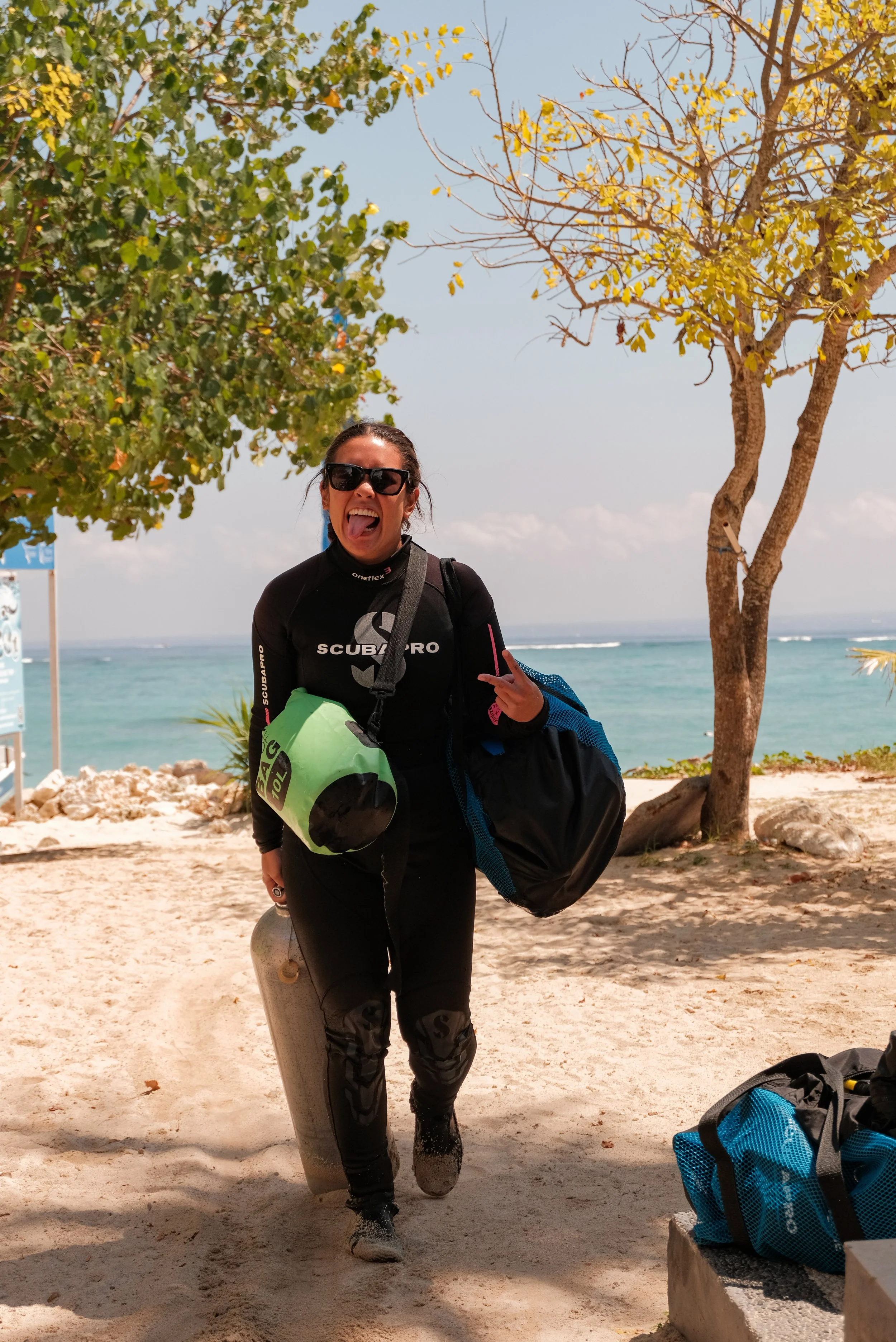
You’ve got your swimsuit, flip-flops, and sunnies packed. Great start. But if you want your holiday to be truly stress-free, there are a few items people never think to bring until they’re already on the island. These are the little things that can make a big difference, whether you’re diving, snorkelling, or just soaking up the island vibes.
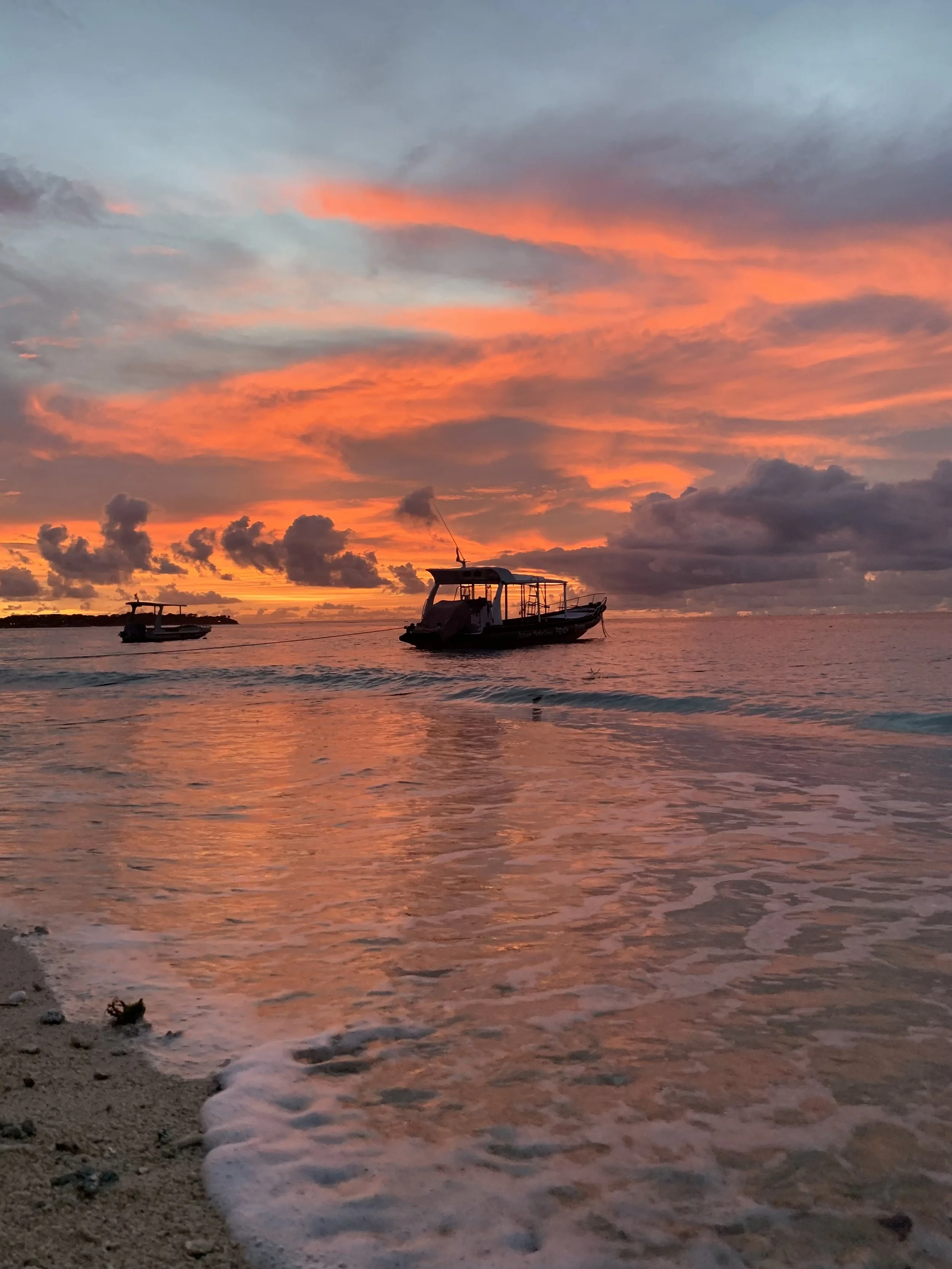
You’re coming to the Nusa Islands and wondering: should I stay on Nusa Lembongan or Nusa Penida? The short answer: both islands share the same dive sites. What makes them different is the lifestyle and vibe you’ll get on land.
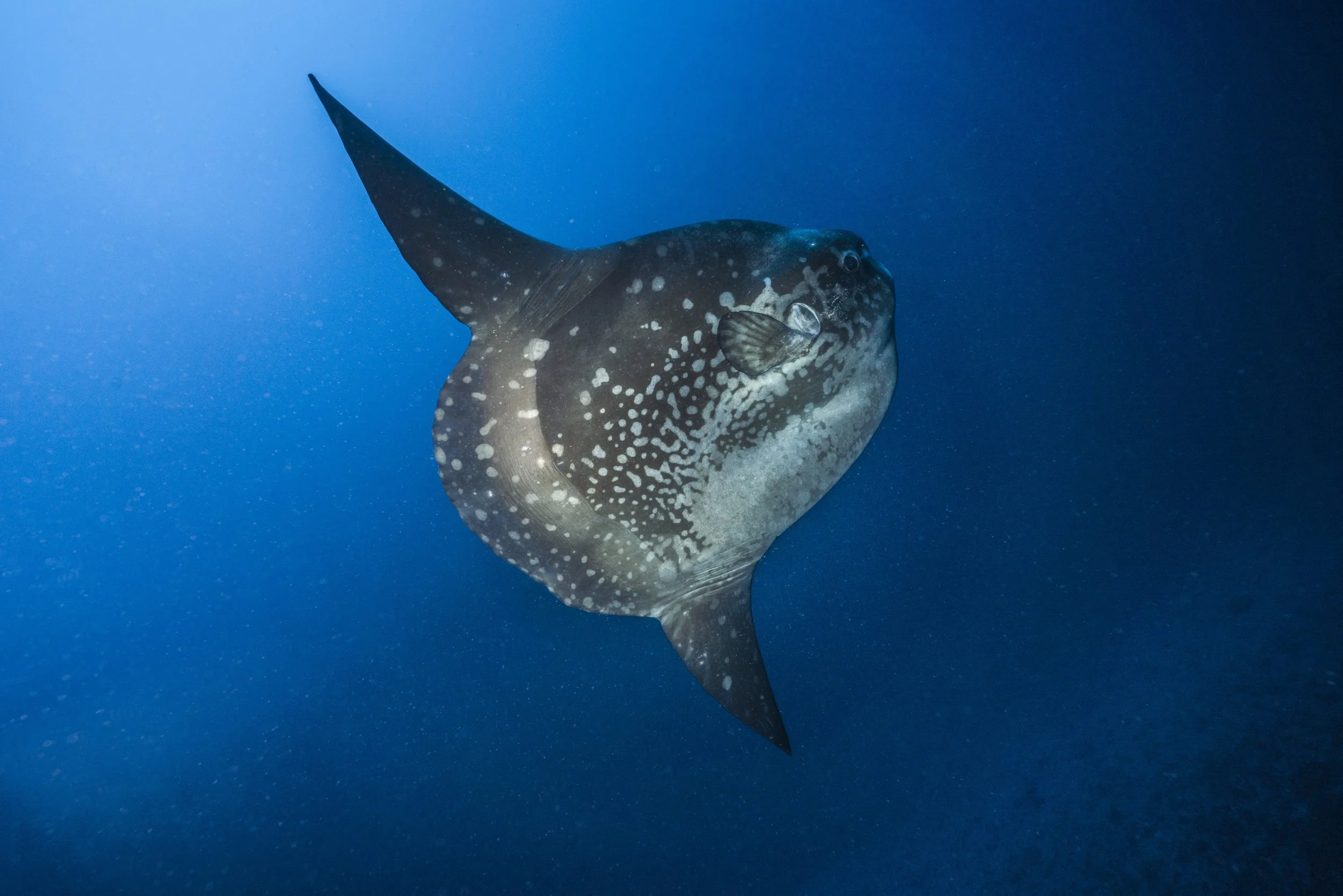
Experience one of the ocean’s most awe-inspiring encounters by diving with Mola alexandrini, the giant ocean sunfish, in Nusa Penida Marine Park. This blog explores the best times and dive sites to see mola in Bali, tips for safe and responsible encounters, and why Blue Corner Dive is the top choice for sustainable scuba diving adventures in Indonesia.

Looking to dive beyond the usual Bali hotspots? Join Blue Corner Dive for an unforgettable trip to West Bali National Marine Park, home to some of the island’s most untouched and ecologically rich underwater environments.
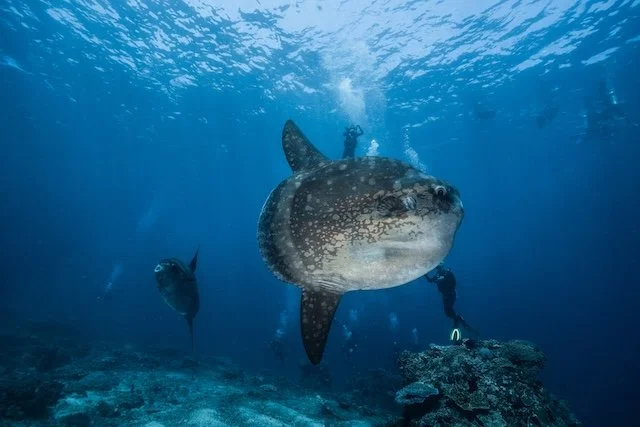
If you’re planning a scuba diving trip to Bali, Nusa Penida should be at the top of your list. Known for its crystal-clear waters, thriving coral reefs, and exciting marine life, scuba diving in Nusa Penida offers one of the most unforgettable underwater experiences in Indonesia.
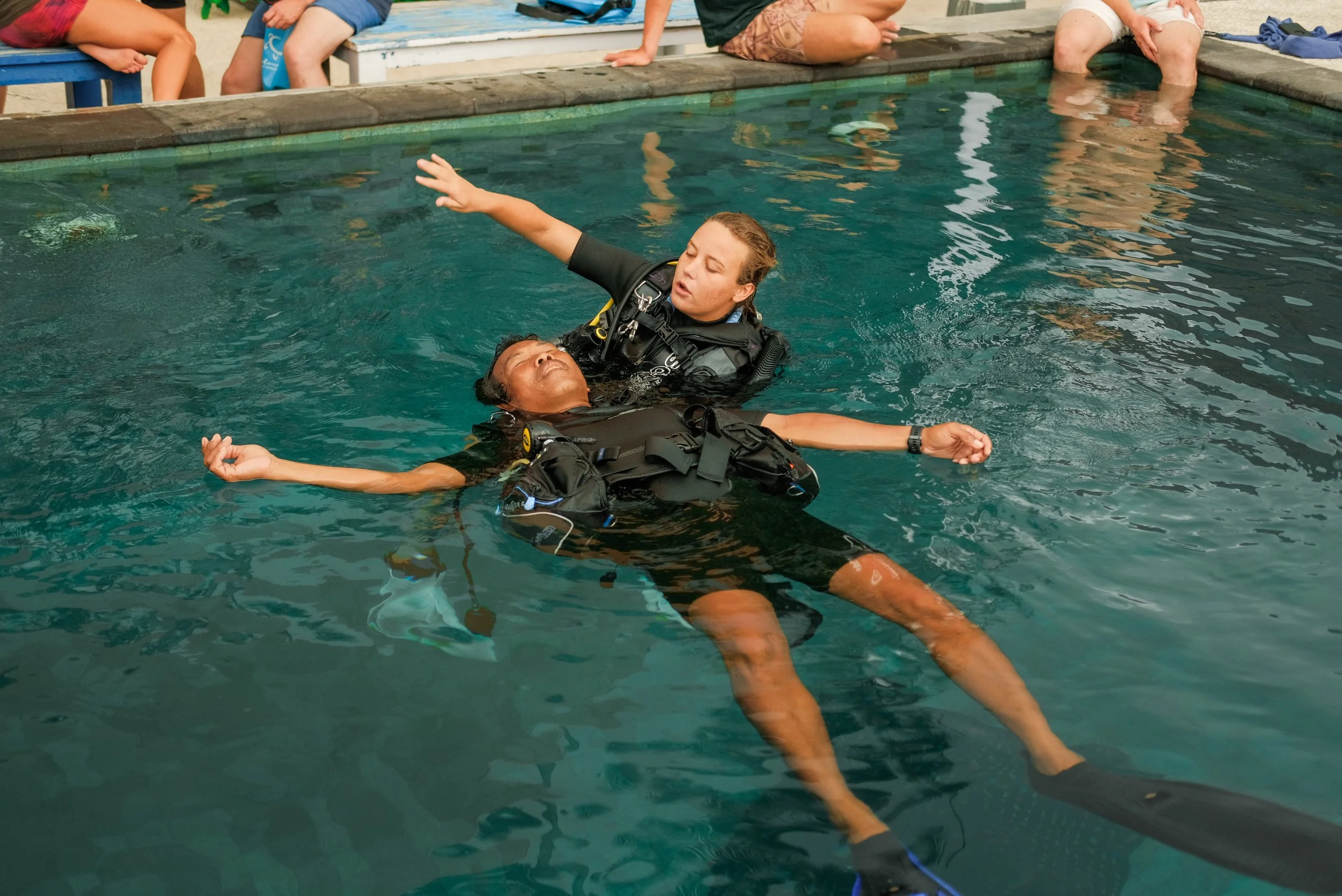
Any diver 12 years or older with Advanced Open Water certification can take the Rescue Diver course. You’ll also need to have completed EFR (CPR/First Aid) training within the last 24 months, but don’t worry if you haven’t done that already! Most students take it with us alongside the Rescue Course.
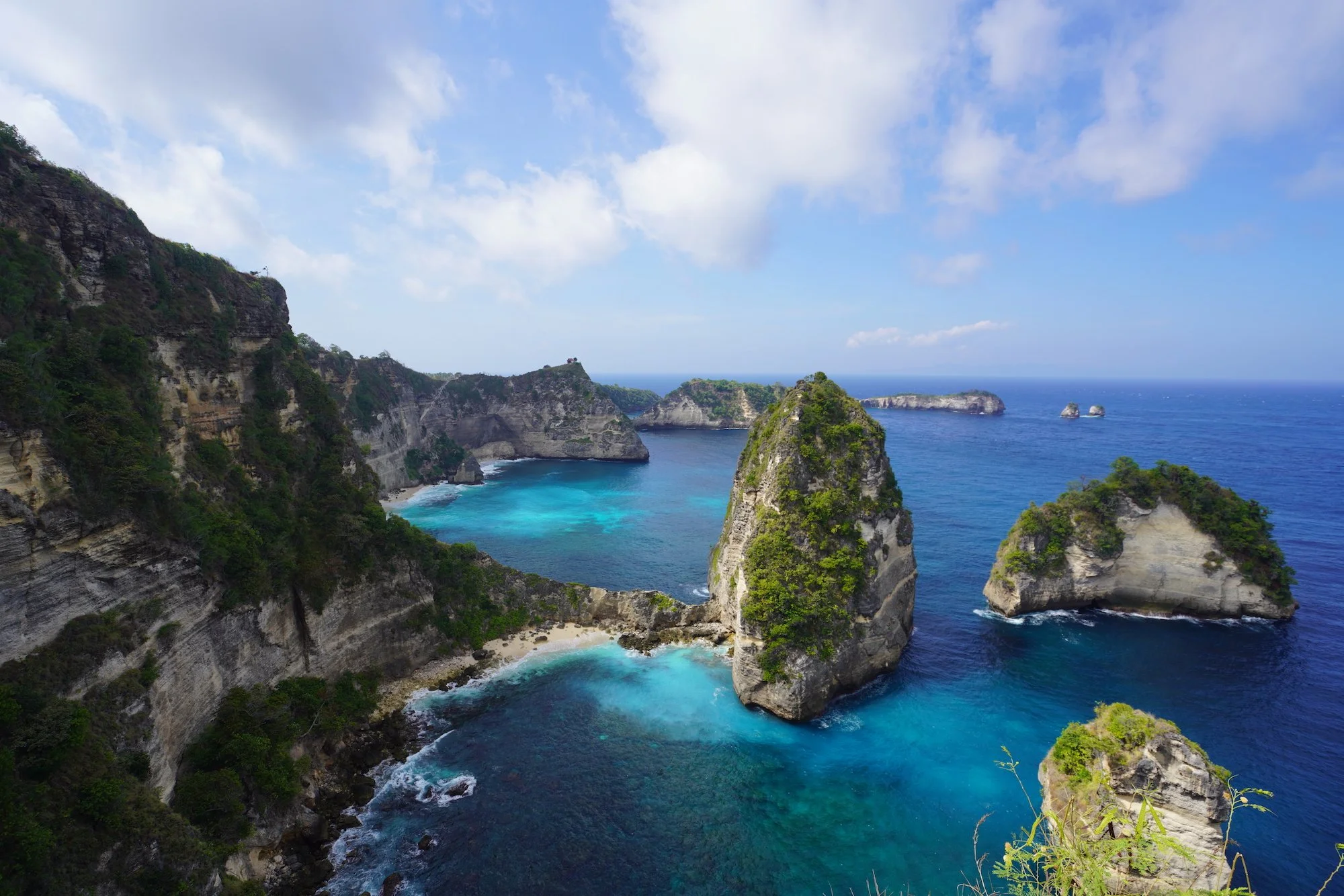
Are you planning to travel to Nusa Lembongan and Nusa Penida islands but aren’t sure which one to stay on? You are not alone, we get asked about this… a LOT! In this Blog we take a look at the highlights of each of the islands and hopefully help you to decide which island is the best one for you!

Bali’s “Top Dive Sites” that doesn’t include Crystal Bay. Located on the northwest side of the island, Crystal Bay is the most frequented dive site in the channel between Nusa Ceningan and Nusa Penida. Like many of the sites around the Nusa Islands, Crystal Bay has the potential to subject divers to strong currents and thermoclines, but is perfectly safe for new divers under appropriate supervision.
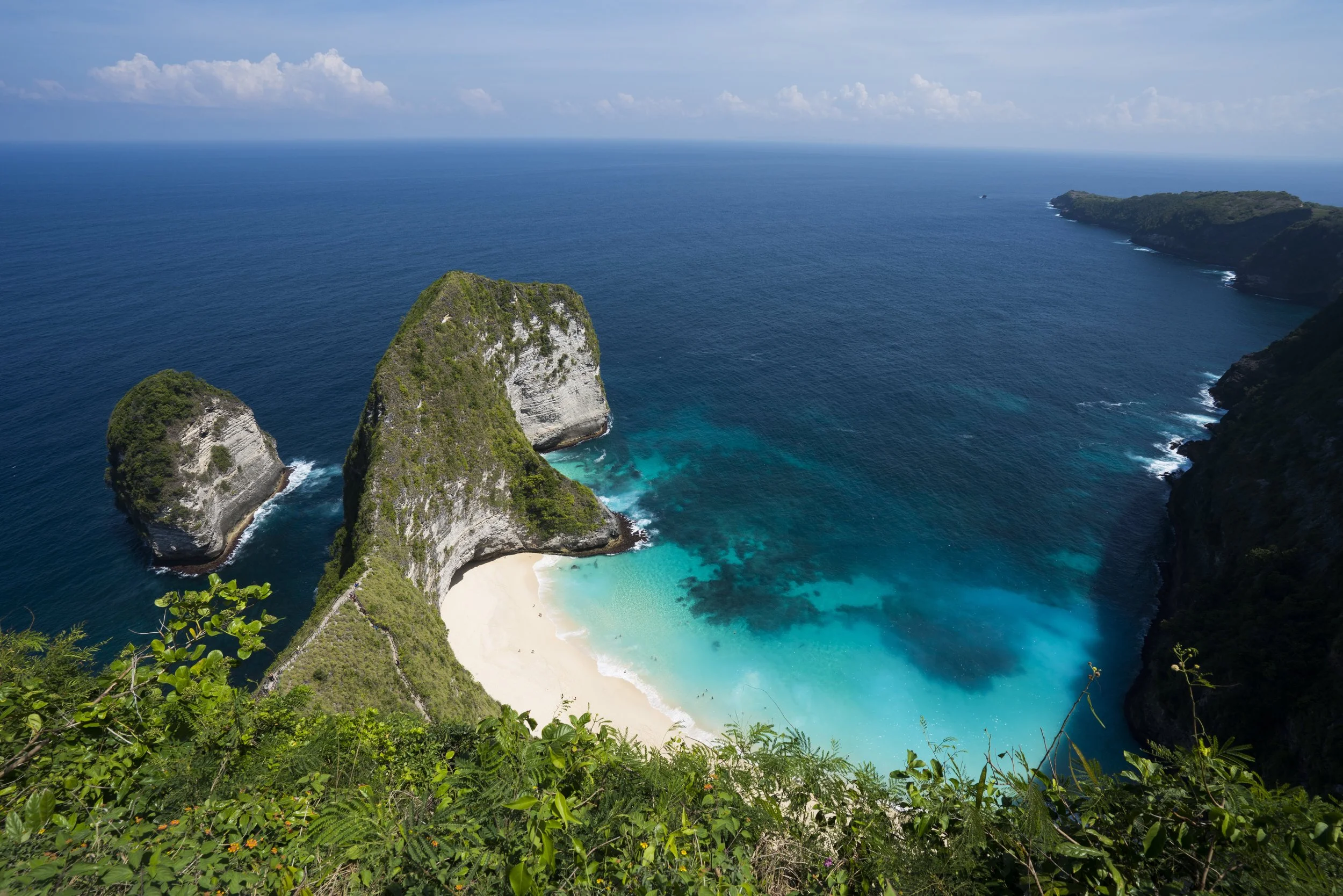
Nusa Penida is a stunning island off the east coast of Bali– one look at the dazzling cliffs, hidden coves and secret beaches, and you’ll think you’ve stumbled into a spectacular island paradise. Each time I visit I am blown away by the location, the people, and the diving.
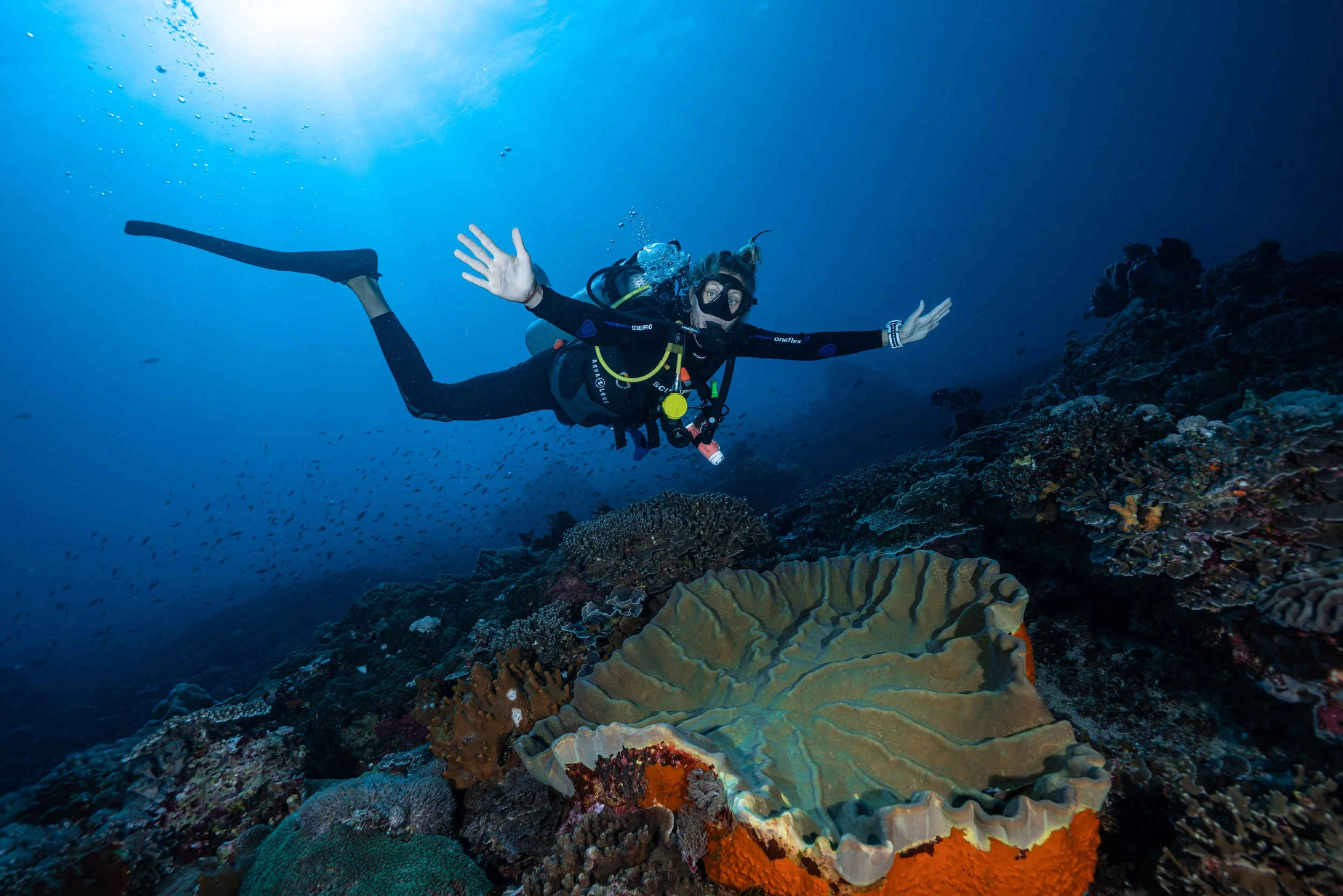
Over the last 12 months we have seen so many positive developments, including a relaxation in travel regulations and our ability to host guests and teach courses, BUT, there is one thing that hasn’t changed at all – our incredible diving!!
This year has been a phenomenal year for all of us at Blue Corner Dive, not only have we been able to get ‘back to normal’, we’ve also been able to re-explore our beautiful surrounding reefs – and they are flourishing!

Calling all Nusa newcomers! Are you planning a trip to the Nusa Islands? Read on to discover insider tips for travelling to, from and in between the islands!

COVID-19 has changed the world as we know it. The novel coronavirus has quarantined people, closed country borders, and halted businesses around the world.

If you’re a diver, you love the ocean. You’ve also probably recognized that our oceans, and their inhabitants, are in danger. Plastic pollution, rising temperatures, and over-tourism have destroyed reefs and marine life around the world.

The world ‘temple’ in Balinese is ‘pura’ and the village temple is at the heart of life in the community. The ceremonies are colourful, the multitude of offering and scents of incense create a sensory overload, and best of all, the wonderful locals are incredibly welcoming to visitors.

Becoming a divemaster is a big decision, and people from all over the world choose to do so for various reasons. Here are stories from some of our recent graduates.

New year, new you? We’ve taken a look at the top New Year’s resolutions and found that a visit to a little slice of paradise, known as Nusa Lembongan, is the answer to many of them. From learning a new skill to losing weight, you can cross off those lofty goals with us – all while living on a tropical island, enjoying sunset beers, and exploring the ocean.
When teaching PADI courses the primary concern is following and meeting all PADI standards, and for some skills, the Instructor Manual clearly stipulates whether a skill should be conducted while on the bottom or mid-water, but this is not the case for all skills. So what are the pros and cons of opting to teach skills in mid-water? Read on to find out more…

Ever wondered what it takes to become a better underwater photographer. Hear from professional underwater photographer Ollie Clarke as he reveals his top 5 tips to honing your photo skills and becoming a better diver.
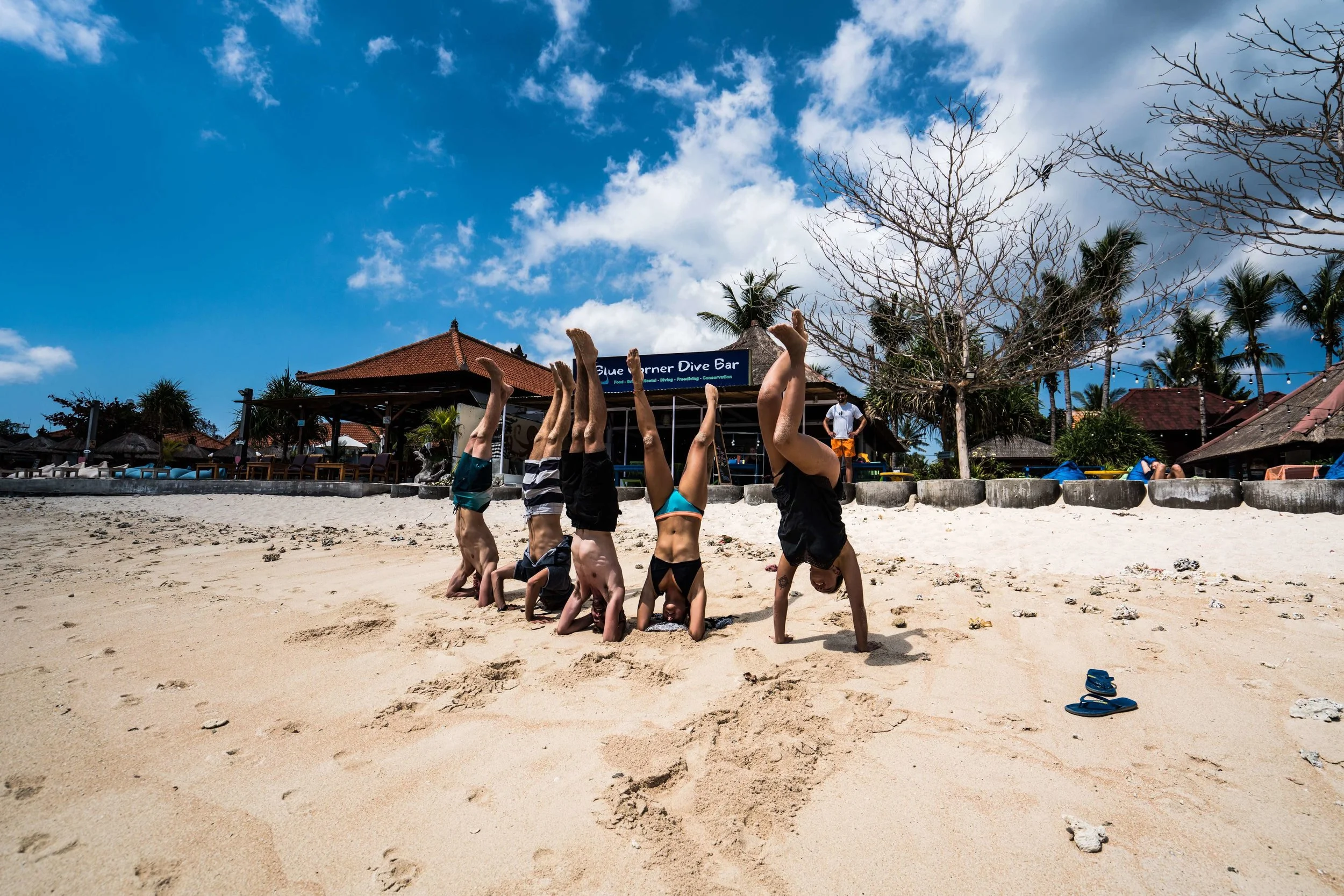
If you are visiting our little paradise but still want to stay fit on vacation, look no further! Read on to find out how to stay active, even on a paradise island.
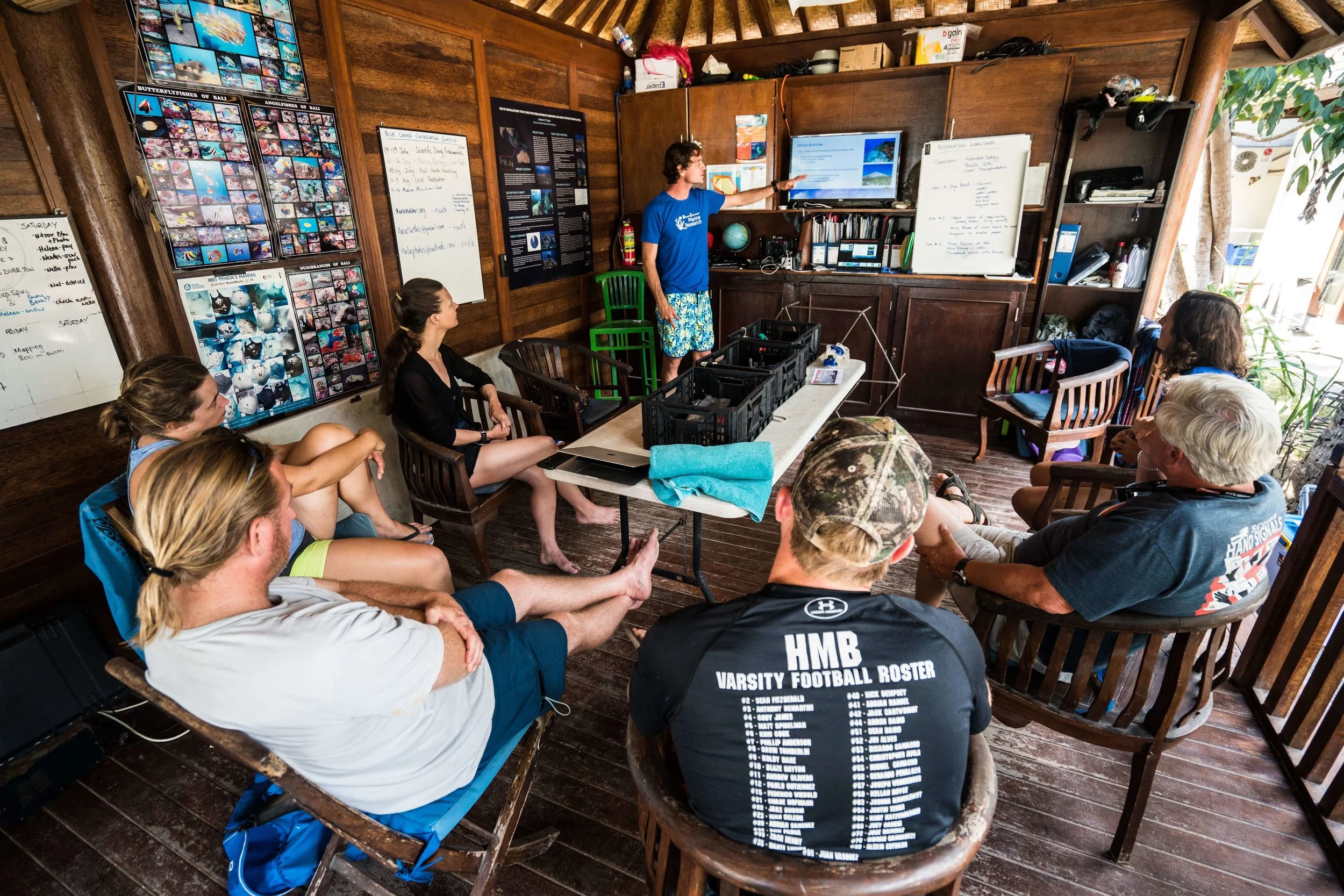
Learn about why learning how to teach conservation specialities will not only teach you more about the ocean but allow you spread your passion and find more employment.

Are you thinking about pursuing a career in the diving industry? Do you have a burning passion for diving but are not sure of how to turn it into a sustainable income? Do you love teaching but are not sure if you want to do it full time?

Are you salivating over that ocean paradise life? We’ve got the insider tips on how to begin your dive journey, and - if you totally love it - how to fully embrace that dive life!